
Free to read · No accounts · Nothing sold
Delta Investment Review
Each earnings season, listed companies publish hundreds of pages of quarterly releases, guidance paragraphs and call transcripts — and shockingly little of it is arithmetic. The rest is sentences somebody chose with care. This is a free editorial review of how natural language processing reads those earnings reports: what it extracts reliably, where it stumbles, and why that gap matters to anyone following markets.
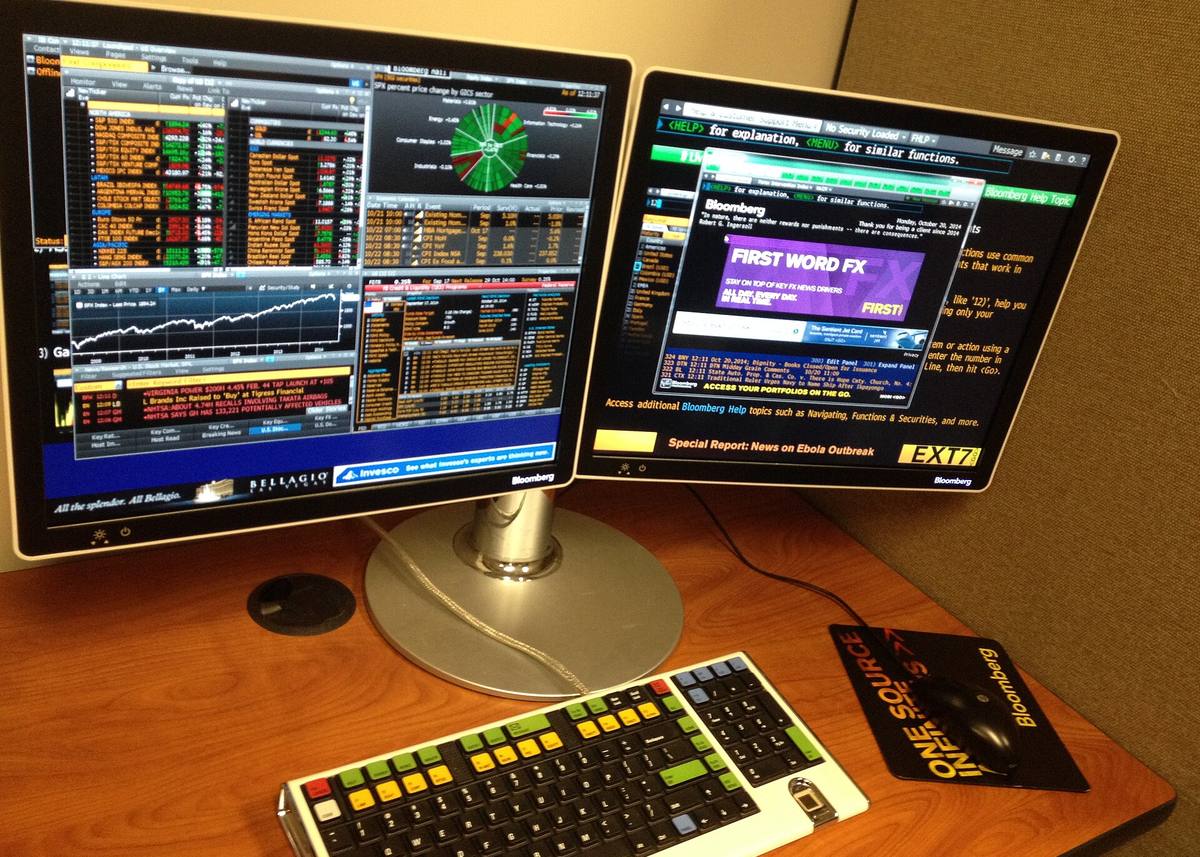
The report runs eighty pages; the change is one clause
A quarterly report buries its news inside repetition. Revenue, margin and cash positions reappear through the summary, the tables and the management discussion, until a reader can no longer tell which sentence carries new information and which one carries last quarter's, rearranged. That is not a reader's failing — it is the document's design.
Natural language pipelines approach the same text from the other end. Given a whole release, an extraction model lifts every named metric — net revenue, operating margin, free cash flow — and binds each one to the period and unit it refers to. A comparison pass then sets this filing beside earlier ones and asks the small questions: which quarter first called a cost increase temporary; whether the hedge words around guidance (“approximately”, “we expect”) grew denser or thinned out year over year; which adjective quietly disappeared from the outlook.
This review is a column about exactly that reading. It quotes the language, names the technique, and reports where the machine's answer would not survive an analyst's margin notes — in plain prose, with no dashboard pretending otherwise.
What the machines actually read in an earnings report
Every piece in the library works the same seam of the subject: quarterly corporate language, read at corpus scale. Three reads recur.
Numbers, lifted out of prose
Sequence labelling finds “net revenue”, “adjusted operating margin” or “free cash flow” wherever the prose raises them, binds each to its period and currency, and hands the draft table to a human who checks it against the filing's own arithmetic.
Guidance, set against guidance
The outlook sentence is short and load-bearing. Pairing this quarter's phrasing with the one it replaced — same metric, different modal verbs — shows whether confidence hardened or softened while the headline numbers looked calm.
Tone, on the record
Earnings calls split into prepared remarks and live questioning, and the sharpest tonal shifts land in the second half. Those shifts are countable — hedge density, sentence length, passive constructions — and the counts are citable in a way adjectives are not.
How each review is written
No wire copy, no secret sauce — a writing discipline, followed one filing passage at a time.
One ordinary question
Pieces begin narrow. Why did the same metric describe itself differently this quarter? What word did the outlook sentence shed? A single passage from a real filing sets the scope, and the scope stays small enough to quote honestly.
The sentences go first
Before any analysis, the relevant language appears on the page, quoted as filed. Then it is annotated the way a parser would see it — entities, periods, hedges, and the one verb doing most of the carrying — so a reader can disagree with the machine line by line.
The technique, named plainly
Extraction, classification, tone scoring, summarization: each article uses the task's real name, explains its mechanics in a paragraph, and points at the passage where it earns or fumbles its keep on that very example.
The corrections file
Simplified investor-relations prose, boilerplate copied between quarters, one-off items wearing quietly different names: when the method misreads, the piece documents the misreading. On this shelf the failure modes are the subject, not an embarrassment.

Written for readers who want the method, not a signal
The library is for readers who follow markets through filings rather than feeds: analysts wanting a second reading of the text, students of finance and of machine learning, and writers who must explain quarterly language without inflating it. If you have ever re-read a guidance sentence because the numbers and the verbs disagreed, the pieces are for you.
The library is not for anyone hunting a buy or a sell. Nothing published here recommends a security, sizes a position, or times an entry, and the desk will not produce one-off forecasts on request — the questions this review can answer are about method, and it stays inside them.
And nothing sits behind a gate: no subscription tiers, no premium data feed, no paid anything. The review is an editorial publication; the desk answers questions by mail and by phone, and that exchange is the whole of it.
From the library
Three pieces are open on the shelf today. Cards below tease; the endings stay inside.
Method piece
The quarterly release, read as text
Headline numbers, a “why” paragraph, one outlook sentence and a safe-harbor note — four registers in one file, each resisting the machine differently.
Task survey
Four NLP tasks that carry earnings analysis
Extraction, guidance comparison, transcript tone and summarization — with the specific failure that shadow each of them.
Sceptic's piece
What the machine reads badly in filings
Boilerplate drift, softened verbs, recast one-offs — a tour of the places where language models misjudge quarterly prose.
Open inbox
Suggest a subject
No editorial calendar governs this shelf. The next piece is whichever question arrives bearing the best evidence.
Write to the desk